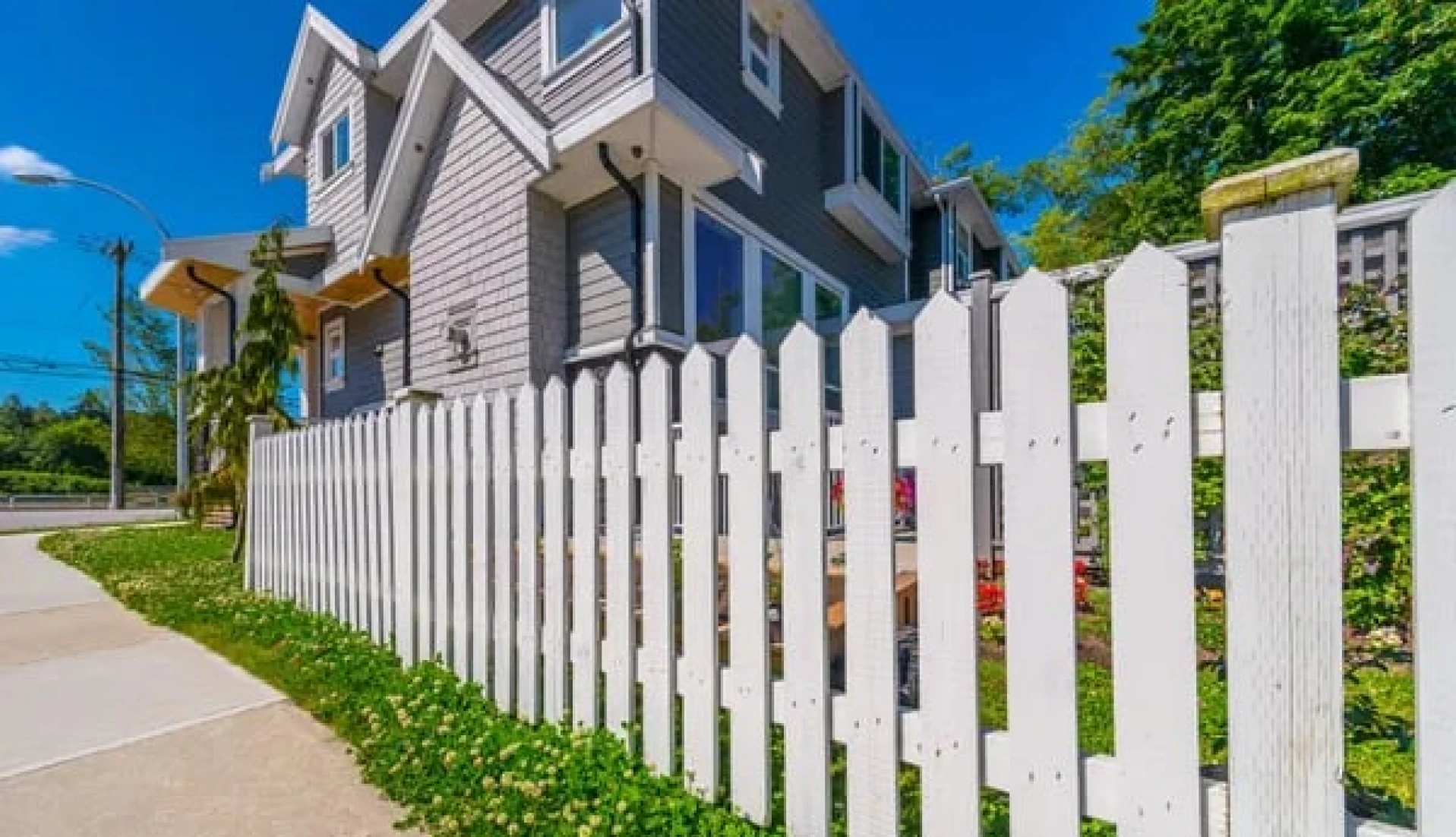
Walk the Perimeter and Document Damage
Before starting any repair work, walk along your entire fence line and carefully examine every section. Look for common issues like loose boards, rusted hardware, leaning posts, or rotted wood. In Illinois, the freeze-thaw cycles we experience each winter can cause fence posts to heave and boards to crack, so pay special attention to areas near the ground and at post bases.
Take photos and make notes of every damaged area you find. This documentation helps you create a complete repair plan and ensures you purchase the right materials in the correct quantities. Check both sides of your fence, as damage may be more visible from one angle than another. Don’t forget to inspect gates, hinges, and latches, which often wear out faster than fence panels due to constant use.
Prepare Your Workspace with Quality Supplies
Having the right tools makes fence repair significantly easier and helps ensure quality results. At minimum, you’ll need a hammer, drill with various bits, level, tape measure, saw (circular or handsaw), post hole digger, and safety equipment including gloves and eye protection. For fasteners, always choose galvanized or stainless steel screws and nails that resist rust, especially important in our humid Illinois summers.
When selecting replacement boards or panels, try to match your existing fence material as closely as possible. For wood fences, choose pressure-treated lumber rated for ground contact if you’re replacing posts or bottom rails. If you’re repairing vinyl or aluminum fencing, contact the original manufacturer when possible to get matching components. Keep in mind that wood naturally weathers over time, so new boards may look different initially but will blend in as they age.
Straighten and Secure Fence Posts
Fence posts are the foundation of your entire fence structure, so addressing any leaning or loose posts should be your first priority. If a post is only slightly loose but still straight, you may be able to stabilize it by adding gravel and tamping around the base, or by pouring fresh concrete around the existing footing. Use a level to ensure the post is perfectly vertical before securing it in place.
For posts that have rotted at ground level or are severely damaged, complete replacement is often necessary. Dig out the old post and concrete footing, then set the new post at least 24 inches deep (or below the frost line in Illinois, which is typically 36 to 42 inches). Use quick-setting concrete and brace the post with temporary supports while the concrete cures. This step requires patience, as rushing can result in a crooked post that affects your entire fence line.
Swap Out Broken or Rotted Fence Boards
Individual fence boards and pickets are typically the easiest components to replace and often show damage first. Remove damaged boards by carefully unscrewing or prying out nails, taking care not to damage adjacent boards. If a board is only partially damaged (such as rot at the bottom), you can sometimes cut away the damaged section and replace just that portion rather than the entire board.
When installing new boards, maintain consistent spacing between pickets for a professional appearance. Use a spacer block cut to the same width as the gaps in your existing fence. Secure each board with at least two fasteners at each rail connection point to prevent warping and twisting. Pre-drill holes for screws to prevent the wood from splitting, especially near board ends. After installation, you can stain or paint new boards to better match existing weathered wood, though natural weathering will eventually blend them together.
Reinforce Horizontal Fence Structures
Horizontal rails provide critical support for fence boards and often suffer damage from moisture exposure and physical stress. Inspect where rails connect to posts, as these joints frequently weaken over time. If a rail has pulled away from a post but is otherwise sound, you can reattach it using galvanized lag screws or fence brackets designed for this purpose. For rails with rot or significant damage, complete replacement is the better long-term solution.
When installing new rails, ensure they’re level and securely attached to posts. Most fence designs use two or three horizontal rails, depending on fence height. Rails should be attached to the inside of posts (the side facing your property) for a cleaner appearance and better structural integrity. If you’re working with a privacy fence, make sure rails are positioned to properly support the weight of fence boards. After securing rails, test their strength by applying pressure, as loose rails will cause boards to sag and create gaps over time.
When repairs become extensive or you’re dealing with structural issues beyond simple board replacement, professional help ensures your fence remains safe and attractive for years to come. We work closely with homeowners through every step, from selecting the right materials to making sure the final installation matches what you envisioned. Our approach is built on honesty and quality workmanship, treating your property with the same care we’d give our own. Whether you need a complete fence replacement or just want a professional assessment of repair needs, our team provides clear, transparent guidance you can trust.